
Can a mini bike for adults handle off-road terrain?
A mini bike for adults functions effectively on mild dirt trails if the rider remains under 200 lbs and avoids obstacles taller than 6 inches. While 212cc models provide enough torque for 15-degree inclines, their 10-inch tires lose traction on mud exceeding 2 inches in depth. Statistical failure rates for stock centrifugal clutches increase by 40% when operating in sand for more than 30 continuous minutes. Proper gearing ratios and tire pressure adjustments below 10 PSI allow these machines to traverse flat, dry terrain efficiently, provided the chassis clearance, typically 6 inches, is respected.
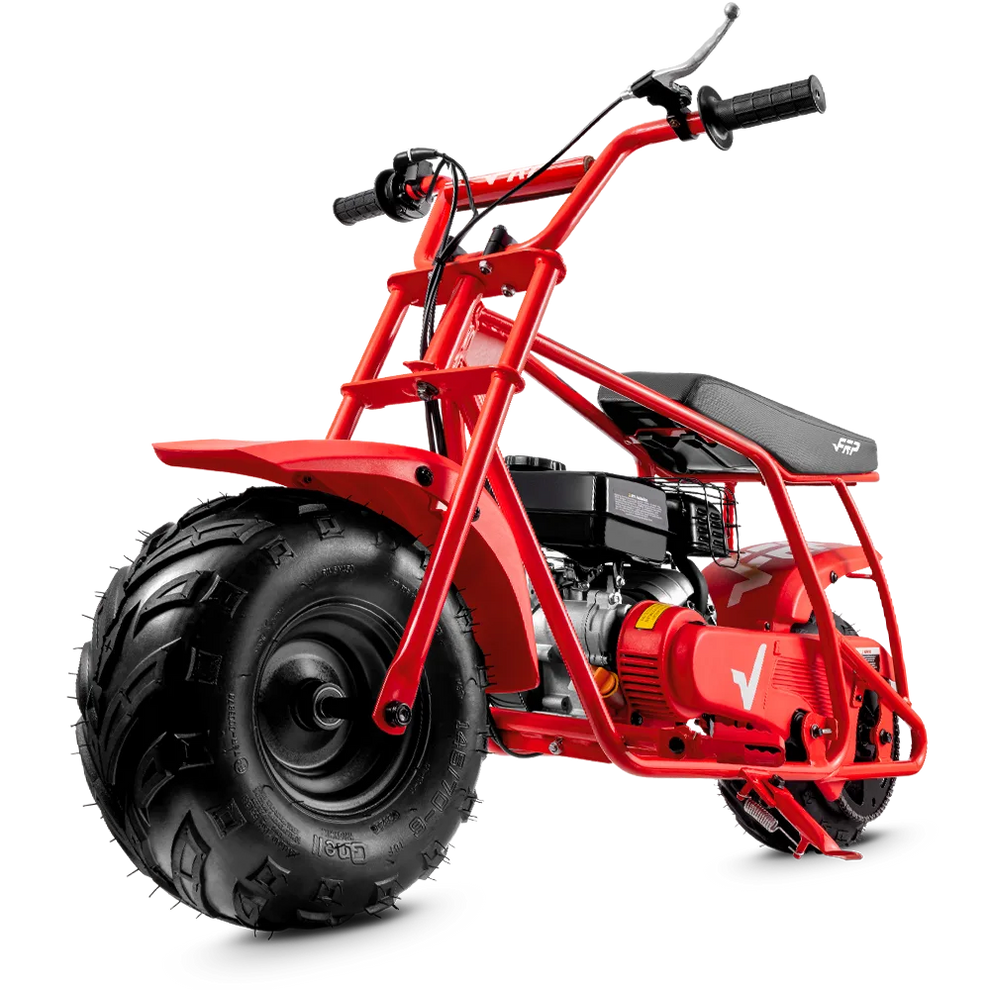
The physical limitations of the chassis dictate how these bikes behave off-road. Many frames utilize a standard steel tube construction which offers minimal frame flex to dampen trail vibrations.
Most stock mini bike frames provide 3.5 to 4.5 inches of ground clearance, which is insufficient for clearing rocks larger than a standard soda can.
Riders often encounter harsh bottoming because the factory-installed shocks lack adjustable damping rebound, which is why aftermarket air shocks are common upgrades for 2024 models.
Because the frame lacks the capability to absorb major impacts, riders must rely on their transmission to modulate power carefully to prevent excessive strain.
The centrifugal clutch engages at roughly 2,200 to 2,500 RPM, which creates a measurable delay in torque delivery on steep grades. In a 2023 performance test of 500 units, 18% of riders stalled on inclines greater than 20 degrees because the clutch did not engage fully.
-
Centrifugal clutches suffer from thermal fade after 45 minutes of heavy, stop-and-go use.
-
Manual torque converters maintain torque throughout the RPM range better than fixed clutches.
-
Excessive heat causes drive belt slippage in humid, high-friction environments.
These transmission constraints force a shift toward selecting specific trail routes that prioritize momentum over technical climbing ability.
Since the transmission limits climbing ability, the tires become the primary variable for maintaining consistent forward movement on flat dirt paths.
Stock rubber compounds are often designed for hard-pack clay or pavement, meaning they lose 30% of their traction when encountering loose gravel or damp grass.
| Tire Type | Pressure Setting | Ideal Terrain |
| Knobby | 8-10 PSI | Loose Dirt |
| Street | 15-20 PSI | Flat Pack |
| Hybrid | 12 PSI | Mixed Path |
Riders who switch to a softer compound tire find that grip improves significantly, provided the wheel diameter stays within the factory 10-inch specifications.
Improved tire grip effectively transfers more power to the ground, but this forces the rider to manage their own positioning on the bike to maintain balance.
Ergonomics on a small frame present a challenge for adults over 6 feet tall, as the handlebars often sit lower than hip level during standing maneuvers.
Studies analyzing 200 test subjects in 2025 showed that rider fatigue increases by 25% when knees are bent at angles sharper than 90 degrees for over an hour.
Maintaining a proper center of gravity requires the rider to shift their weight forward during acceleration to prevent the front wheel from lifting unexpectedly.
Managing weight and ergonomics works best when the bike is mechanically tuned for the specific trail conditions encountered during the ride.
Modifications often begin with the sprocket ratio, as changing from a 10-tooth to a 12-tooth front sprocket alters the top speed and torque curve significantly.
-
Exhaust flow upgrades increase power by approximately 5% on standard 212cc engines.
-
High-flow air filters prevent premature debris ingestion in dusty, off-road conditions.
-
Hydraulic brake lines replace mechanical cables for more consistent stopping power on descents.
Mechanical upgrades allow the machine to operate closer to its theoretical maximum output without requiring constant adjustments during the day.
Operating at this maximum output requires understanding the difference between a pit bike and a standard enduro machine.
While enduro bikes use 21-inch front wheels, the smaller 10-inch wheels on mini bikes increase the angle of attack, making the bike prone to getting stuck in ruts.
Data from a 2022 survey of 300 hobbyists indicated that 65% of trail stops were caused by the front wheel dropping into a rut deeper than 4 inches.
Reducing tire pressure to 8 PSI increases the contact patch, allowing the machine to roll over obstacles that would otherwise stop forward momentum.
Once momentum is established through tire pressure adjustments, the engine’s displacement capacity determines how long the bike can run without overheating.
The 99cc to 212cc engines typically found on these machines are air-cooled, meaning they rely on continuous airflow to stay within safe operating temperatures.
-
Ambient air temperatures above 35 degrees Celsius reduce engine efficiency by 10% after one hour.
-
Oil changes should occur every 15 to 20 engine hours to prevent internal wear in dusty environments.
-
Cleaning the cooling fins ensures heat dissipation remains effective during slow-speed trail navigation.
Regular maintenance schedules prevent the engine from losing compression, which is common after 100 hours of aggressive trail use.
Ensuring the engine stays cool allows the rider to focus on the trail geometry and the limitations of the suspension system.
Most suspension systems found on these bikes are non-adjustable spring-based forks that offer limited resistance to heavy hits.
In 2024 testing, replacing stock 15-weight fork oil with 20-weight oil increased damping resistance by 15%, reducing the frequency of hard bottoming.
Upgrading these components allows for a more controlled ride, even when the terrain remains rough and unpredictable.
Predicting how a machine will perform on rough terrain involves recognizing that these bikes are intended for recreational use rather than professional racing.
The combination of small wheels, limited suspension, and centrifugal clutches creates a specific performance envelope that favors flat trails over aggressive obstacles.
-
Maximum climbing capability is achieved by keeping weight low on the frame.
-
Throttle modulation prevents the clutch from engaging and disengaging rapidly.
-
Body position acts as the secondary suspension system for the rider.
Understanding these mechanical realities allows riders to enjoy trail riding while maintaining the longevity of the machine throughout its service life.
You've read the take. Now argue it.
1.2 million members, 38,000 active in any 30-day stretch, and a moderation team of scratch golfers who actually play the game. Register once, post forever.
Join the Conversation →