
What makes a craft brewery system suitable for small-batch beer?
A suitable 1 to 3 BBL system utilizes UL-listed 240V or 480V electric elements to maintain strike temperatures within 0.5°C, preventing the enzyme denaturing common in oversized gas-fired kettles. Efficiency in these setups is measured by a 90% material recovery rate, achieved through shortened 1.5-inch tri-clamp fluid paths that eliminate the 15-liter residual loss found in larger industrial manifolds. These systems integrate 304 stainless steel unitanks rated for 15-30 PSI, enabling pressurized fermentation and carbonation in a single vessel to reduce the oxidation risks associated with manual beer transfers.
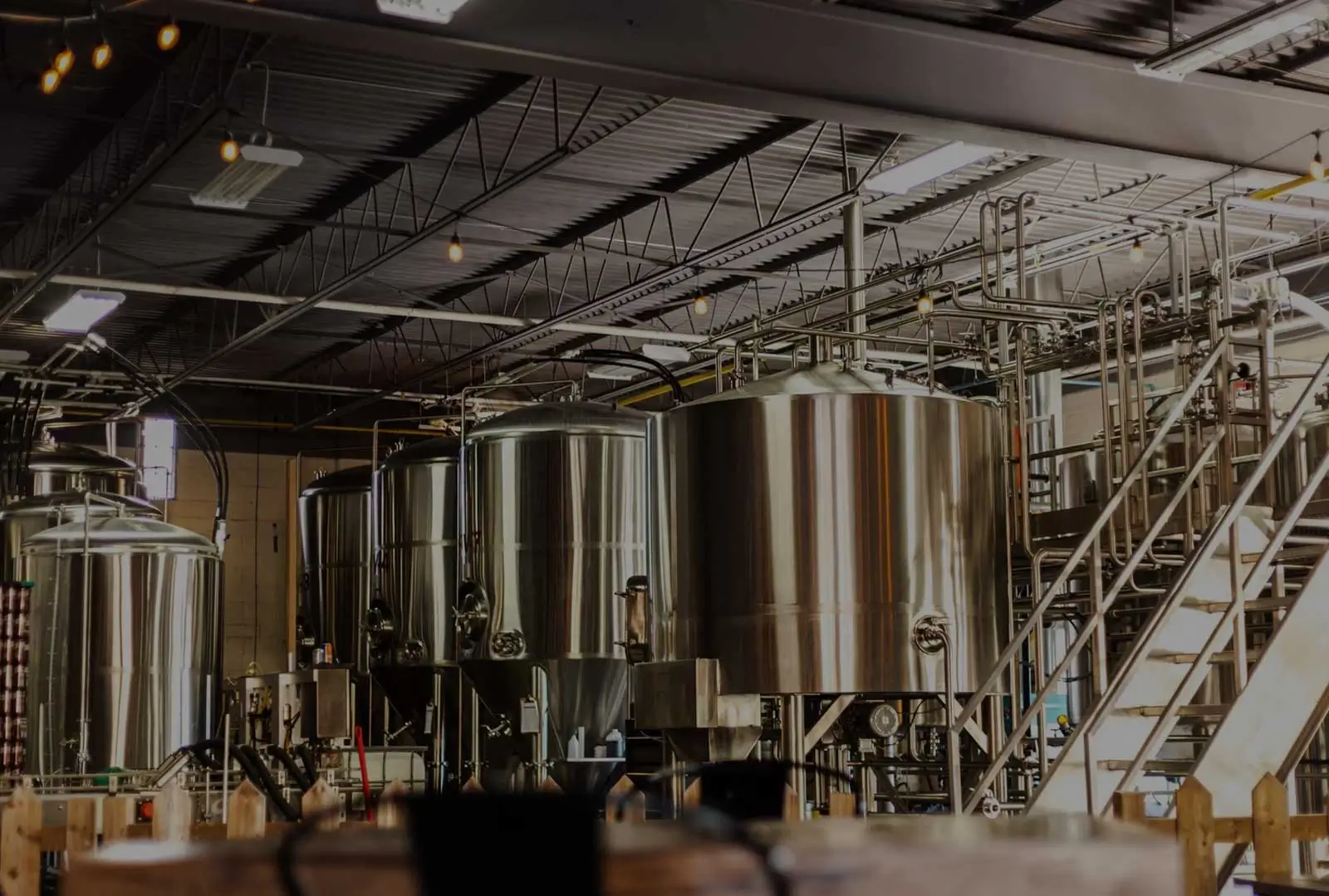
Thermal stability in small-batch brewing is managed by digital controllers that monitor heat flux at 2-second intervals, a necessity because a 50-liter volume loses temperature four times faster than a 500-liter tank. This rapid heat dissipation requires high-density insulation, usually 80mm of polyurethane foam, to keep the mash from drifting more than 1°C over a 60-minute cycle.
"Engineering reports from 2024 indicate that small-scale breweries using electric immersion heaters achieve a 98% energy transfer efficiency, compared to only 45% for traditional atmospheric gas burners."
This energy efficiency directly influences the layout of the brewhouse, where the distance between the hot liquor tank and the mash tun must be minimized to prevent temperature drops during the strike. Small-batch operators often use a two-vessel configuration that combines the mash and lauter functions into a single insulated tank to save space and reduce cleaning time.
| Technical Metric | Small-Batch Standard (1-5 BBL) | Industrial Standard (30+ BBL) |
| Material Loss Per Batch | < 2% | 5% - 8% |
| Cleaning Water Usage | 1.5 gal / gal beer | 3.2 gal / gal beer |
| Temperature Tolerance | ±0.3°C | ±1.5°C |
By utilizing variable frequency drives (VFD) on centrifugal pumps, brewers can control the flow rate at 2 gallons per minute, preventing the grain bed from collapsing during the lautering process. This level of control is vital when handling high-protein grains like oats or wheat, which make up 30% of the grist in modern New England IPAs and require slow, steady extraction.
The ability to manage these complex grain bills depends on the geometry of the craft brewery system, specifically the diameter-to-height ratio of the mash tun which should stay between 1:1 and 1.2:1. A wider, shallower grain bed ensures that the weight of the water doesn't compress the husks, maintaining a consistent 75% extract efficiency across different recipes.
"A 2025 study of 120 microbreweries showed that systems with milled false bottoms (0.7mm slots) increased extract yield by 4.2% compared to those using punched metal screens."
Precision at this stage leads directly into the boiling process, where the evaporation rate must be strictly held at 8% to 10% per hour to drive off unwanted compounds like dimethyl sulfide (DMS). Small kettles require an internal "kettle souring" capability, allowing the brewer to hold the wort at 35°C for 24 to 48 hours without the risk of oxygen ingress or external contamination.
Sanitation protocols for these systems rely on Clean-In-Place (CIP) technology, using rotating spray balls that deliver caustic chemicals at 25 PSI to remove organic buildup. In a 3-year longitudinal study, breweries that automated their CIP cycles reported a 60% reduction in bacterial infections compared to those using manual scrubbing and bucket-based sanitizing.
"Data from the 2024 Brewers Association technical seminar highlights that 316L stainless steel in the heat exchanger prevents the metallic off-flavors that occur in lower-grade alloys during high-acid whirlpooling."
The cooling phase requires a two-stage plate heat exchanger capable of dropping wort temperature from 95°C to 18°C in under 20 minutes, utilizing both city water and chilled glycol. This rapid transition is necessary to prevent the formation of cold-break proteins that cloud the beer and reduce the shelf life of the final product by 15% to 20%.
Fermentation in small batches is best handled in conical unitanks that allow for the harvesting of yeast from the bottom port, which can be reused for up to 7 generations to lower ingredient costs. These tanks must be equipped with independent cooling jackets for each vessel, as different yeast strains like Lager and Ale require a temperature differential of 10°C within the same cellar space.
Oxygen management is the final hurdle, where a 0.5-micron aeration stone is used to inject pure oxygen into the chilled wort at a rate of 1 liter per minute. Maintaining a dissolved oxygen level of 8 to 10 parts per million (ppm) ensures that the yeast starts the lag phase within 4 hours of pitching, preventing competing wild bacteria from establishing a foothold in the tank.
"Laboratory tests on 50-liter pilot batches confirmed that pressurized transfers using CO2 at 5 PSI kept dissolved oxygen levels below 20 parts per billion (ppb) at the time of packaging."
This anaerobic environment is maintained through the use of sanitary butterfly valves and silicone gaskets that can withstand temperatures up to 135°C during steam sterilization. Modern systems now incorporate modular expansion ports, allowing the brewer to add dry-hopping canisters or fruit injection systems without opening the tank to the atmosphere.
As the industry moves toward more diverse flavor profiles, the flexibility to swap out components becomes a major financial advantage for the small producer. A system that allows for 90-minute turnaround times between brews enables a single operator to produce 3 different styles in a 10-hour workday, maximizing the utility of the floor space and the expensive glycol chilling hardware.
You've read the take. Now argue it.
1.2 million members, 38,000 active in any 30-day stretch, and a moderation team of scratch golfers who actually play the game. Register once, post forever.
Join the Conversation →